
“We are macerating a pandemic that could be important,” says José Antonio López. Throughout history, humanity has suffered from viruses and plagues, such as the Antonine plague, between 165 and 180 AD. C., which decimated the Roman legions. It is believed to have been caused by smallpox, one of the viruses that has cost the most human lives.
The 1918 flu, incorrectly called “Spanish”, caused between 50 and 100 million deaths. “More than the world wars combined,” says López.
Climate and the spread of viruses
Climate change favors the expansion of vectors that transmit viruses, such as mosquitoes. The tiger variety, for example, extends to latitudes far from the tropics. This increases the opportunities for viral circulation and, with them, the possibility of viruses evolving and mutating.
«Viruses exist because they adapt and mutate in their hosts, which can be animals or humans. Of the pandemics that are going to reach us, almost all of them are going to be zoonoses, from animals,” explains López.
More contact between humans and animals
Added to these factors is the growth of the world’s population: there are around 8.3 billion people, and more than 60% live in increasingly dense urban centers. In some countries, overcrowding coincides with illegal or poorly regulated trafficking of species, increasing contact between humans and wild animals.
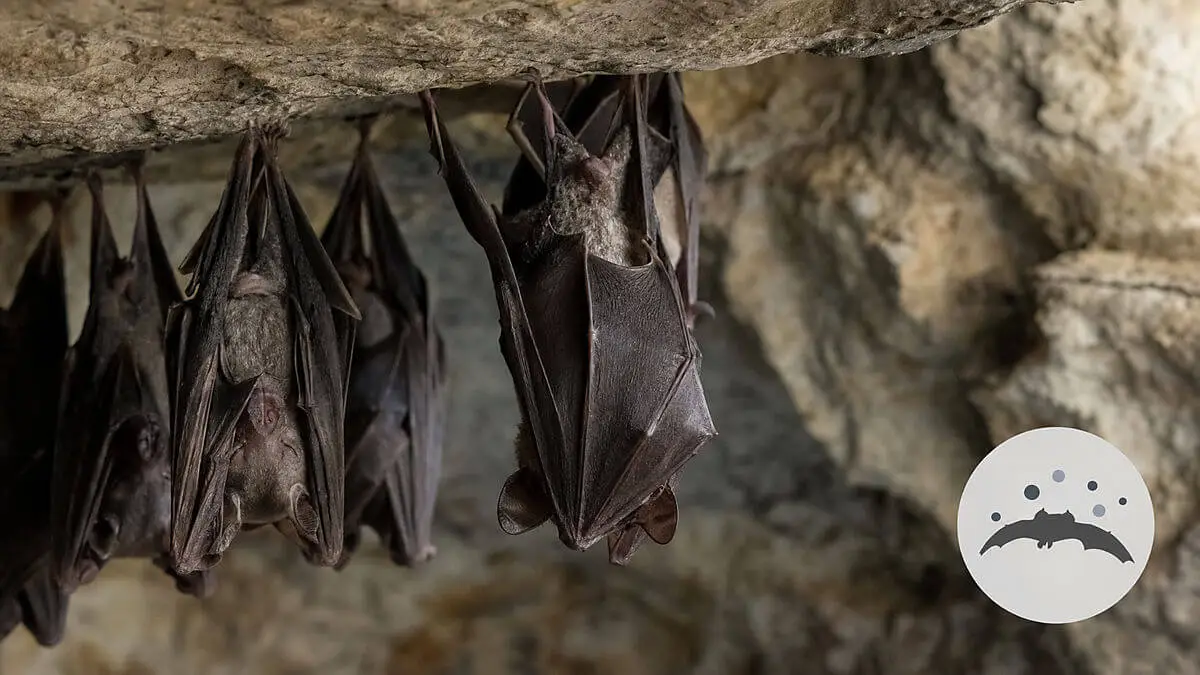
Many of these animals are reservoirs of viruses with which they have reached a certain balance. This is the case of bats: approximately one in every six mammal species is a bat. Their particular immune system allows them to harbor viruses without developing serious symptoms.
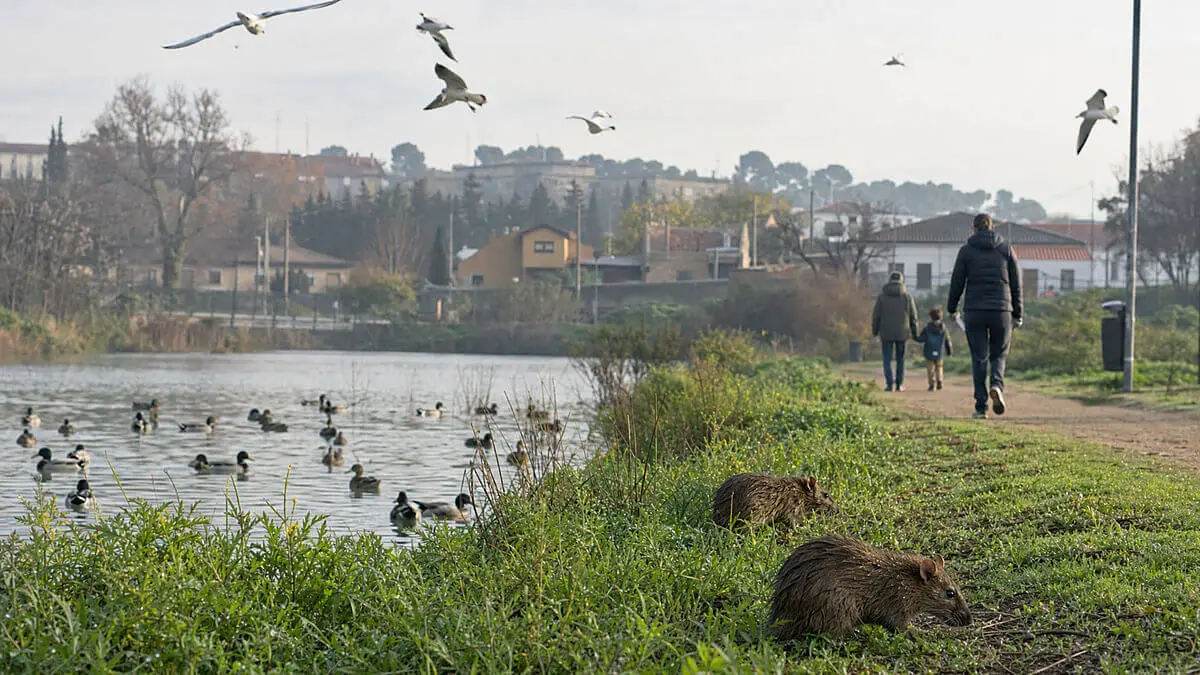
When humans invade these environments, we come into contact with viruses that previously remained confined to their reservoirs. Some examples are the Junín viruses, in Argentina, Machupo, Guanarito and the so-called “Sin Nombre virus”, many of them associated with rodents.
A possible “perfect storm”
Currently, one of the sources of concern is the H5N1 avian flu virus. Added to the evolution of viruses are climate change, human expansion into new ecosystems and increasingly dense living conditions, together with insufficient regulation of contact with animals and hygienic conditions.
«It can be a perfect storm. The question is not if another pandemic will arrive, but when, and with what extent of virulence,” López concludes.
